By The Era Store, small-batch coffee roasters and suppliers of single-origin ceremonial grade Uji matcha.
Put two tins of matcha side by side and they can look almost the same. Both might say ceremonial, yet one costs several times more than the other. You can't see why from the outside, but you can taste it.
This guide explains what separates ceremonial matcha from culinary matcha, where the money goes, and how to decide which one belongs in your kitchen. We also cover freshness, which affects the taste as much as the grade does.
Ceremonial matcha is made from the youngest first-harvest, shade-grown leaves, stone-milled into a silky powder meant for drinking. Culinary matcha is made from later harvests and older leaves. It's duller in color, more bitter, and built for baking and cooking, where sugar and fat cover its rough edges. You can see the difference in the color, taste it in the cup, and it shows up in the price.
Jump to Your Question
- Side by side
- What makes it ceremonial
- What culinary is good for
- Why ceremonial costs more
- Freshness
- The farm behind the tin
- The real cost per cup
- Which one for lattes?
- The 30-second test
- Which should you buy?
- FAQ
Ceremonial vs Culinary Matcha, Side by Side
| Ceremonial matcha | Culinary matcha | |
|---|---|---|
| Harvest | First harvest of spring (ichibancha) only | Second, third, or autumn harvests |
| Leaf | Youngest, most tender top leaves | Older, larger, tougher leaves |
| Shading | Around three to four weeks under cover | Shorter, lighter, or sometimes none |
| Milling | Slow granite stone mill, about 30g per hour | Usually fast industrial grinders |
| Color | Vivid, electric jade green | Dull, yellowish, or army green |
| Taste | Naturally sweet, deep umami, no harsh bitterness | Bitter, astringent, grassy |
| Texture | Silky, like eyeshadow. Whisks into fine foam | Coarser. Foams poorly |
| Best for | Drinking: straight, iced, or in lattes | Baking, ice cream, smoothies, cooking |
| Price | Higher (one harvest, slow milling) | Lower (larger harvests, fast grinding) |
What Makes a Matcha Ceremonial Grade?
Ceremonial grade means the matcha is good enough to be whisked with nothing but water and enjoyed on its own, the way it's served in a Japanese tea ceremony. Without milk or sugar, any flaw in the leaf comes through, so only the best leaf is used.
In practice that means four things. The leaves come from the first harvest of the year, when the plant pushes out its sweetest, most nutrient-dense growth after a winter of rest. The plants are shade-grown for weeks before picking, which floods the leaf with chlorophyll (the color) and L-theanine (the source of its sweetness and umami). Stems and veins are removed to leave only the soft inner leaf, called tencha. And that tencha is ground slowly between granite stones, because anything faster creates heat that scorches the aroma.
The result is a powder that's bright, sweet, and smooth enough to drink straight. We cover the full process from field to tin in our complete guide to matcha.
What Is Culinary Matcha, and What Is It Good For?
Culinary matcha isn't fake or bad matcha. It's made for cooking. It comes from later harvests, when the leaves are bigger, tougher, and have spent more time in the sun. Sunlight converts the sweet L-theanine in the leaf into catechins, which taste bitter and astringent. That's why culinary matcha has a stronger, harsher flavor and a flatter, more olive color.
In a recipe, that works in its favor. When matcha has to fight through flour, butter, sugar, and oven heat, a bolder and cheaper powder makes sense. Use culinary matcha for cookies, cakes, ice cream, pancakes, and smoothies with a lot of other ingredients. Baking a delicate ceremonial matcha into a brownie is like cooking with a wine you'd rather be drinking.
Where culinary matcha fails is in the cup. Whisked with water, it's bitter. In a latte, it needs syrup to be pleasant. If you've ever tried matcha and thought it tasted like lawn clippings, you were almost certainly drinking culinary grade, whatever the menu said.
Why Is Ceremonial Matcha So Expensive?
Most of the steps that make it taste good also limit how much can be made.
1. One harvest a year. Ceremonial matcha comes only from the spring first flush. A farm gets one chance every twelve months. Culinary matcha can be made from the second, third, and autumn pickings of the same plants, so there's far more of it.
2. Weeks of shading. Covering entire tea fields for close to a month takes structures, labor, and constant attention. It also stresses the plants and lowers the yield. Farmers accept less leaf in exchange for better leaf.
3. Selective picking and de-stemming. Only the tender top leaves are taken, and on heritage farms the finest are still picked by hand. Then every stem and vein is stripped out before milling. A large share of what's harvested never makes it into the tin.
4. One hour for 30 grams. A traditional granite mill turns out roughly 30 grams of matcha per hour. That's one small tin. Industrial grinders used for culinary grade produce many times that, but the heat and coarser grind affect the flavor.
5. A global shortage of the raw leaf. Demand for matcha has outrun what Japan's tea fields can grow. At the 2025 Kyoto auctions, prices for tencha reached record highs at roughly 1.7 times the previous year, and they've stayed high through 2026. A new tea field takes around five years to produce a proper harvest, so supply can't catch up quickly. Supply is tightest for first-harvest Uji leaf, the highest grade.
So be wary of cheap ceremonial matcha. With auction prices this high and mills that still make 30 grams an hour, a very low price usually means the powder isn't what the label says.
Why Freshness Matters
Grade is only part of what you taste. The other part is how long ago the matcha was milled.
The moment tencha is ground into powder, its surface area increases hugely and it starts to oxidize. Color fades, sweetness flattens, and that fresh, sweet-grass aroma slowly turns to hay. This is why serious producers in Uji store their tea as whole tencha leaf and only grind it when it's needed. Matcha doesn't improve with age. It behaves more like fresh-roasted coffee, which we know well as roasters.
Most matcha reaches the Gulf slowly. It's ground in bulk, packed, warehoused, and shipped by sea, spending weeks in a container, often followed by months on a distributor's shelf. By the time the tin is opened, a first-harvest matcha can taste like a tired one. The heat and humidity in the UAE make this worse.
We do it differently. Our matcha is stone-milled in small batches for us in Uji and flown to the UAE within days of grinding. It doesn't sit in a warehouse. We order small and often, so the tin you open was milled recently, not last season.
Air freight and small batches both cost more than sea freight and bulk orders, and that's reflected in the price. You can tell the difference in the color when you open the tin and in the taste when you whisk it.
The Farm Behind the Tin
Most matcha sold worldwide is a blend. Brokers buy leaf from many farms, mix it to hit a price, and sell it under whatever label the buyer wants. That's legal, but you won't know who grew your tea, when it was picked, or what's in the blend.
Ours comes from one place: a small family farm in Uji, Kyoto, now in its sixth generation, in the region that has set the world standard for matcha for roughly 800 years. It's single-origin, never blended. The family shades, picks, steams, and mills the way it has for six generations, and they only sell what their own fields produce.
This means two things. First, quantity is limited, and during a global shortage a small farm like this can't increase its harvest to meet demand. Second, this matcha is exclusive to Era in the UAE. It isn't sold under other brand names, and it's milled specifically for us.
The Cost per Cup
The tin price makes ceremonial matcha look more expensive than it is. It's more useful to look at the cost per cup.
A proper serving is 2 grams. That means our 30g tin makes 15 bowls and the 100g tin makes 50. Divide the tin by the number of bowls and compare that to what you pay for a single matcha latte at a cafe, where you rarely know the grade, the origin, or how long the bag has been open.
Worked out that way, a cup of first-harvest Uji matcha made at home usually costs less than a cafe latte.
Should You Use Ceremonial or Culinary Matcha for Lattes?
This is the question we get asked most. The usual advice says lattes are mixed with milk, so culinary grade is fine. In practice, milk doesn't hide bitterness. It dilutes everything else. A culinary latte tastes thin, grassy, and bitter, which is why cafes using cheap powder add vanilla syrup.
A latte made with ceremonial matcha is naturally sweet and bright green, with enough flavor to carry through 130ml of milk without any sugar at all. If you drink matcha lattes because you like the taste of matcha, use ceremonial. If a recipe has five other ingredients and goes in the oven, use culinary.
Our rule of thumb: ceremonial for drinking, culinary for baking.
Ready to make one? Our step-by-step matcha latte guide covers the matcha-to-milk ratio, water temperature, whisking, and how to get a smooth, lump-free cup, hot or iced.
The 30-Second Test: How to Check Your Matcha
Ceremonial grade isn't a legally protected term anywhere in the world. Anyone can print it on a pouch, and during a shortage many do. You can check the powder yourself in five ways.
- Color. Tip a little onto white paper. Real ceremonial matcha is a bright, almost glowing jade green. Yellow, brown, or khaki tones mean later harvest, old stock, or both.
- Smell. Open the tin and breathe in. You want sweet, fresh, and slightly creamy, like sweet grass. Dusty, flat, or hay-like means it's oxidized.
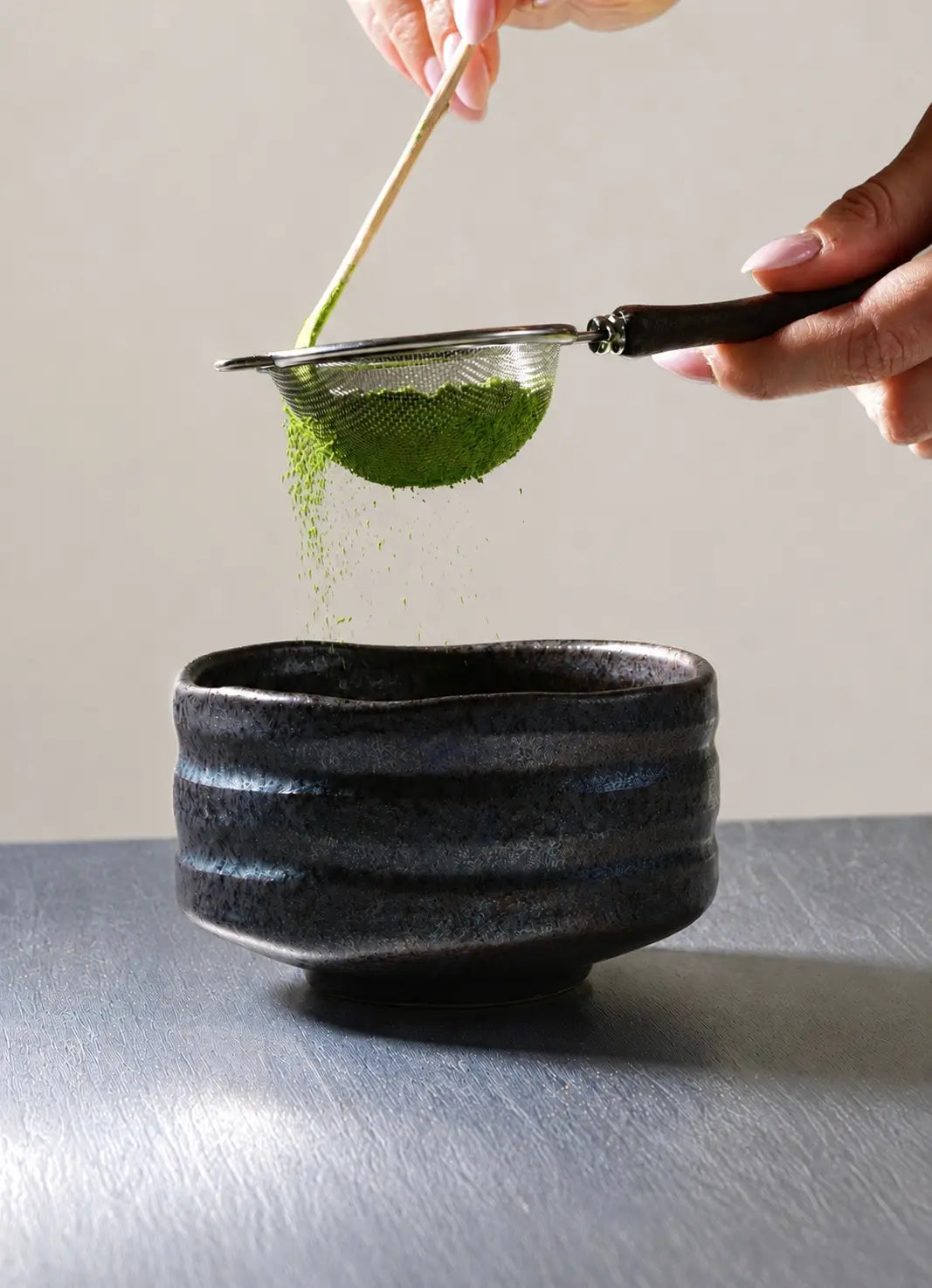
- Touch. Rub a pinch between your fingers. It should feel like eyeshadow and leave a smooth, clean streak. Gritty or sandy means a coarse industrial grind.
- Foam. Whisk 2g with 40ml of 80°C water. Fresh, fine matcha builds a tight, creamy foam in about 15 seconds. Big soapy bubbles or no foam point to low grade or stale powder.
- Taste. Drink it straight. Ceremonial matcha is sweet, savory, and smooth with a clean finish. If it's harsh and bitter, it's culinary, whatever the label says.
And always check the label for an origin more specific than "Japan," a named region such as Uji, a first-harvest claim, and a seller who can tell you which farm it came from and when it was milled. If they can't tell you, be cautious.
So Which Should You Buy?
Buy culinary matcha if you're baking, making ice cream, or blending it into smoothies with plenty of other flavors. Spending more there is wasted money.
Buy ceremonial matcha if you drink it: whisked with water, poured over ice, or made into a latte. This is where quality matters, and where spending a little more per cup gets you a sweet, smooth drink instead of a bitter one.
And if you're going to pay for ceremonial, make sure you're paying for the things that matter: first harvest, a named farm in Uji, slow stone milling, and freshness. That's what Era Ceremonial Matcha is built around: one sixth-generation family farm, one harvest a year, and small-batch milling with air freight to the UAE within days of grinding. It has more than 160 five-star reviews.
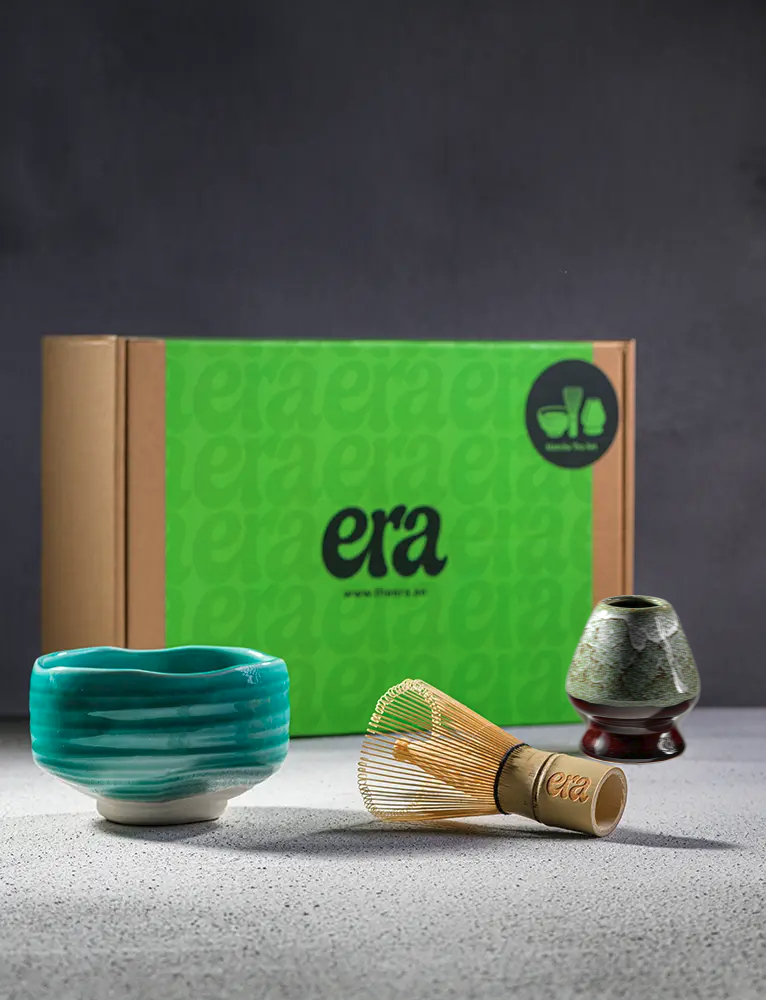
Drinking it daily? A subscription keeps a freshly milled tin arriving before your current one fades, and during a shortage it keeps your supply secure. New to matcha? Our ritual sets include the whisk, bowl, and tools so you have everything for your first bowl.
Frequently Asked Questions
What is the difference between ceremonial and culinary matcha?
Ceremonial matcha is made from first-harvest, shade-grown leaves that are stone-milled into a fine powder for drinking. Culinary matcha comes from later harvests and older leaves, is more bitter and duller in color, and is intended for baking and cooking.
Is ceremonial matcha worth the price?
If you drink your matcha, yes. A tin goes further than it looks: at 2g per serving a 30g tin makes 15 cups, which works out to less per cup than a cafe latte, and it tastes naturally sweet and smooth instead of bitter. If you only bake with matcha, culinary grade is the smarter buy.
Can I use culinary matcha for lattes?
You can, but it will taste bitter and grassy and usually needs syrup to be enjoyable. Milk dilutes matcha rather than hiding its flaws, so ceremonial grade makes a noticeably sweeter, creamier, greener latte with no sugar needed.
Can I bake with ceremonial matcha?
Yes, but it's a waste. The delicate sweetness and aroma you're paying for are lost among flour, sugar, and oven heat. Save ceremonial matcha for drinking and use culinary grade for recipes.
Why is ceremonial matcha so expensive?
It comes from a single spring harvest each year, from plants shaded for weeks, using only the youngest leaves with stems removed, ground at about 30 grams per hour on granite mills. On top of that, a global shortage of tencha has pushed auction prices in Japan to record highs.
Is ceremonial grade a regulated term?
No. There is no legal standard anywhere in the world, so any brand can use the words. Judge matcha by its color, aroma, texture, foam, and taste, and by whether the seller names the region, the farm, and the harvest.
Does fresh matcha really taste different?
Yes. Once ground, matcha begins to oxidize, losing color, sweetness, and aroma. Matcha that was milled recently and flown in tastes brighter and sweeter than the same grade that spent weeks at sea and months in storage.
Does ceremonial matcha have more L-theanine than culinary?
Generally, yes. Longer shading and young first-harvest leaves mean more L-theanine, the amino acid behind matcha's sweetness, umami, and calm, focused energy. Later-harvest leaves have more bitter catechins instead.
How long does ceremonial matcha stay fresh?
For peak flavor, finish a tin within about 60 days of opening. Keep it sealed in the fridge, especially in the UAE, and let the closed tin reach room temperature before opening to avoid condensation.
Where can I buy real ceremonial matcha in the UAE?
Era Ceremonial Matcha is single-origin, first-harvest matcha from one sixth-generation family farm in Uji, Kyoto, stone-milled in small batches, flown to the UAE within days of grinding, and available at theera.ae in 30g and 100g tins.
Read next: The Complete Guide to Matcha, covering history, the global shortage, preparation, storage in the Gulf, and how to spot fakes, and How to Make a Matcha Latte at Home, a step-by-step guide with ratios, temperatures, and tools.